
Roy Hart
A little about Wolfsohn-Hart voice work, its history and approach, and how it informs my one-to-one sessions and workshops.
Wolfsohn-Hart Voice Work
Voice, body, imagination and the inner landscape
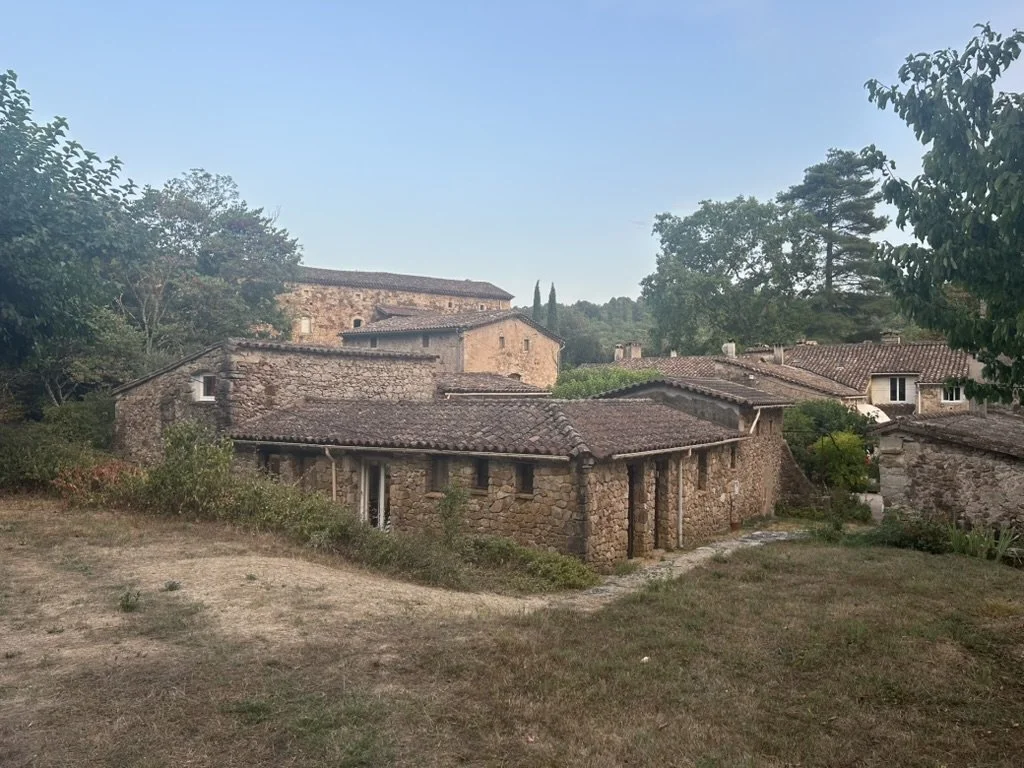
Roy Hart International Voice Centre, Malérargues, France
A deeper exploration of voice
I draw on the Wolfsohn-Hart tradition in both one-to-one work and workshops, particularly with people wanting to explore a wider range of vocal possibility. The work connects vocal expression with the body, imagination, emotion and movement, and can open into a deeper exploration of the individual’s inner landscape through sound, spoken text and song.
My relationship with Roy Hart voice work began during my actor training at Toi Whakaari, with my voice and movement teacher, Bert van Dijk. Since then, I’ve continued to explore the work, studying in Paris with Pantheatre and returning to the home of Roy Hart voice work, the Roy Hart International Voice Centre (Malérargues, France), where I’ve worked with many esteemed international Roy Hart teachers.
I’m currently undertaking an apprenticeship towards accreditation as a Roy Hart voice teacher, with the aim of becoming NZ’s first accredited teacher.
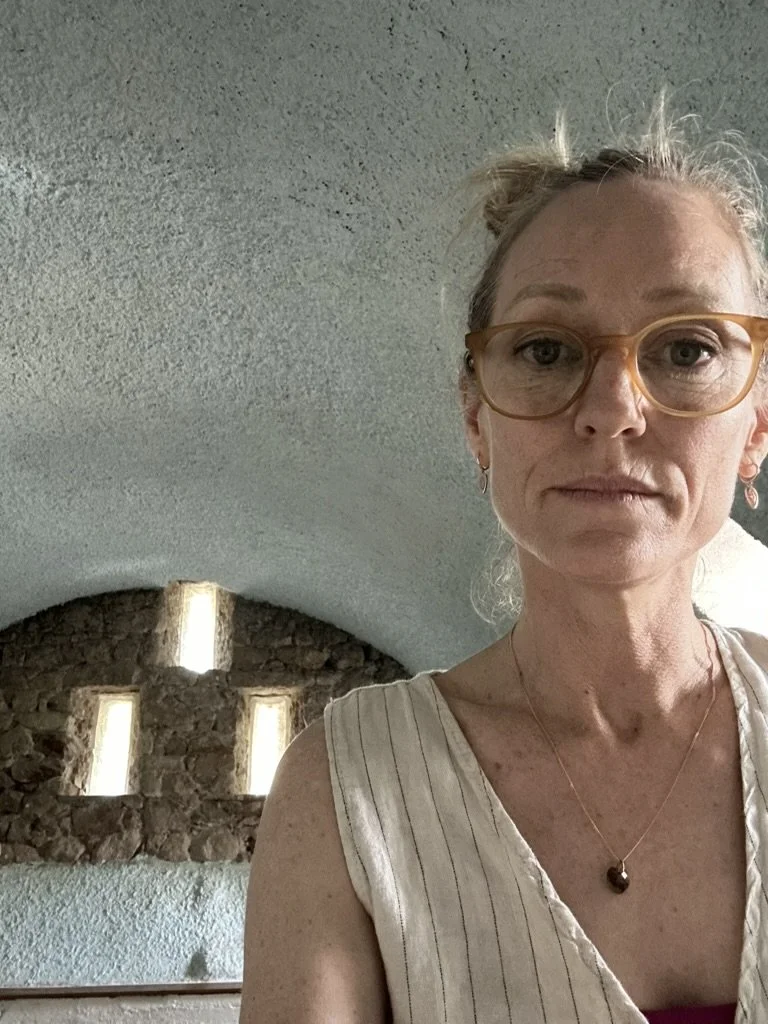
A continuing practice
I keep returning to the Wolfsohn-Hart work through study, teaching and performance, and to its rich legacy and the teachers who continue to carry and develop it.
What is Wolfsohn–Hart Voice Work?
Wolfsohn-Hart voice work grew from the pioneering vocal research of Alfred Wolfsohn and was later developed by Roy Hart and the Roy Hart Theatre. Its history is one of continual exploration of the possibilities of the human voice.
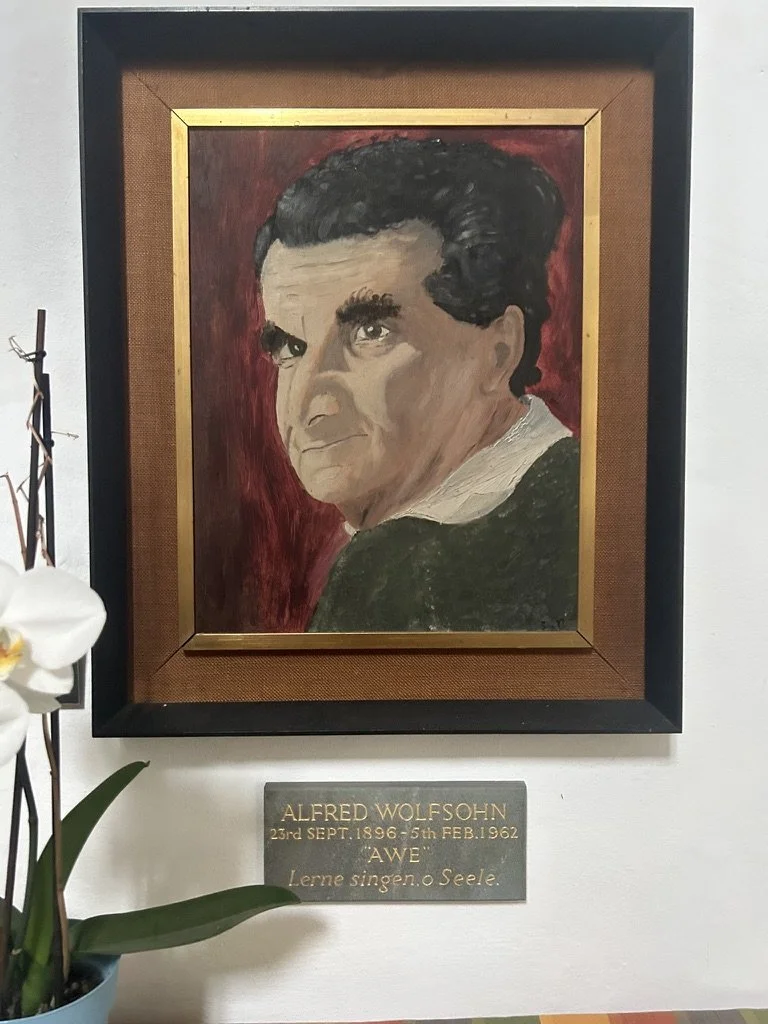
Alfred Wolfsohn
Alfred Wolfsohn’s work grew out of his experiences during the First World War. As a young conscript he fought in the trenches, was wounded, and was later haunted by the cries of an injured soldier whom he had been unable to help. After conventional treatments and singing lessons did not give him what he was seeking, he began his own vocal research.
He became interested in what he called “the human voice” - a voice capable of a much wider range of notes, textures and emotions than conventional singing allowed. His work became increasingly connected with psychology and the writings of Carl Jung, and with the idea that there is a profound relationship between voice and psyche.
— Alfred Wolfsohn, portrait by Charlotte Salomon
Roy Hart continued and developed Wolfsohn’s work, bringing it increasingly into theatre, performance and artistic expression.
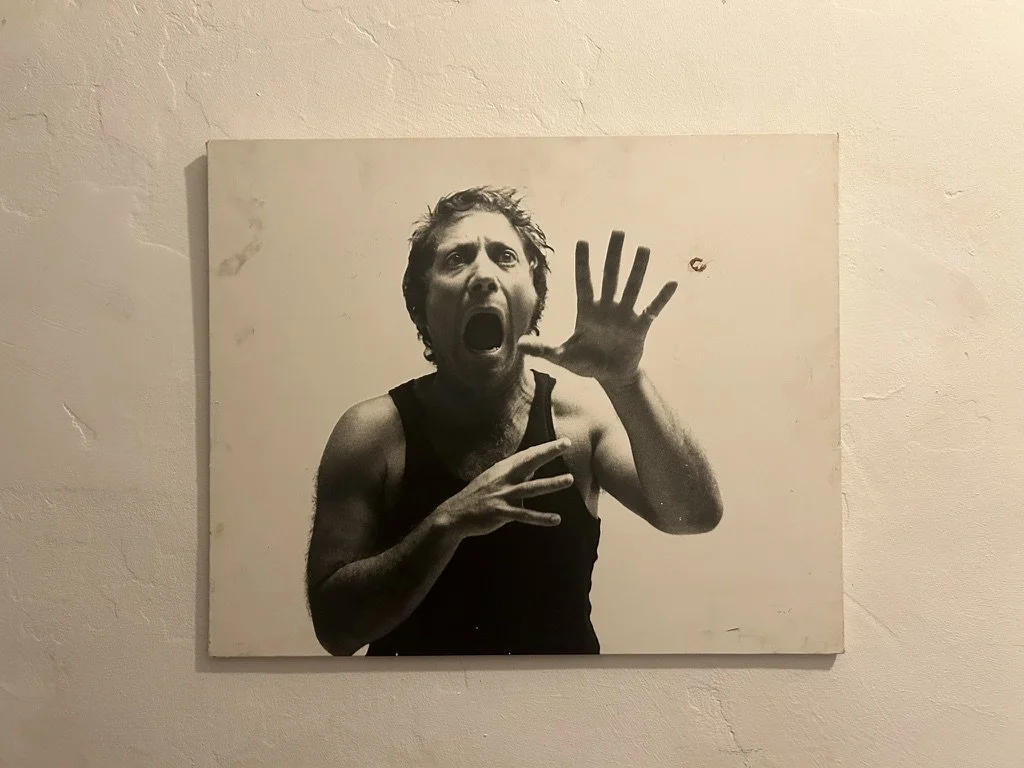
Roy Hart
A gifted actor who had trained at RADA, Roy Hart chose to devote himself to Wolfsohn’s research and became a central figure in its development.
Under Hart, the voice became a way of exploring not only vocal range, but the range of the human being. The work expanded further into theatre, performance and artistic expression, with increasing emphasis on physical and vocal exploration.
— Roy Hart, photograph by Ian Midderigh
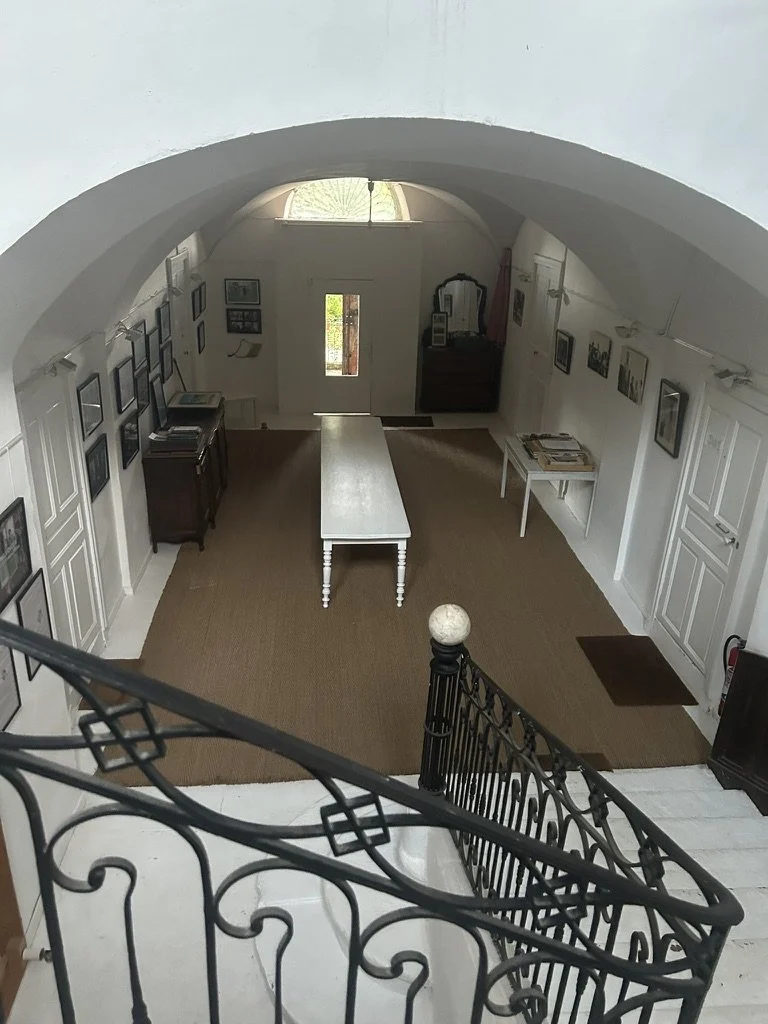
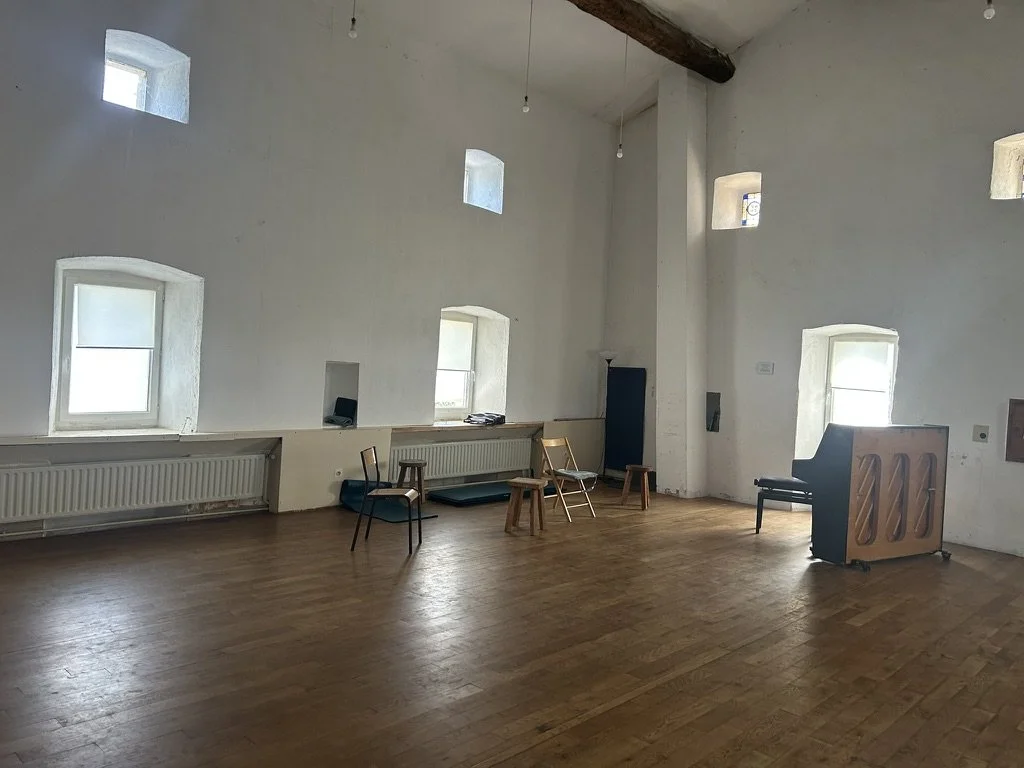
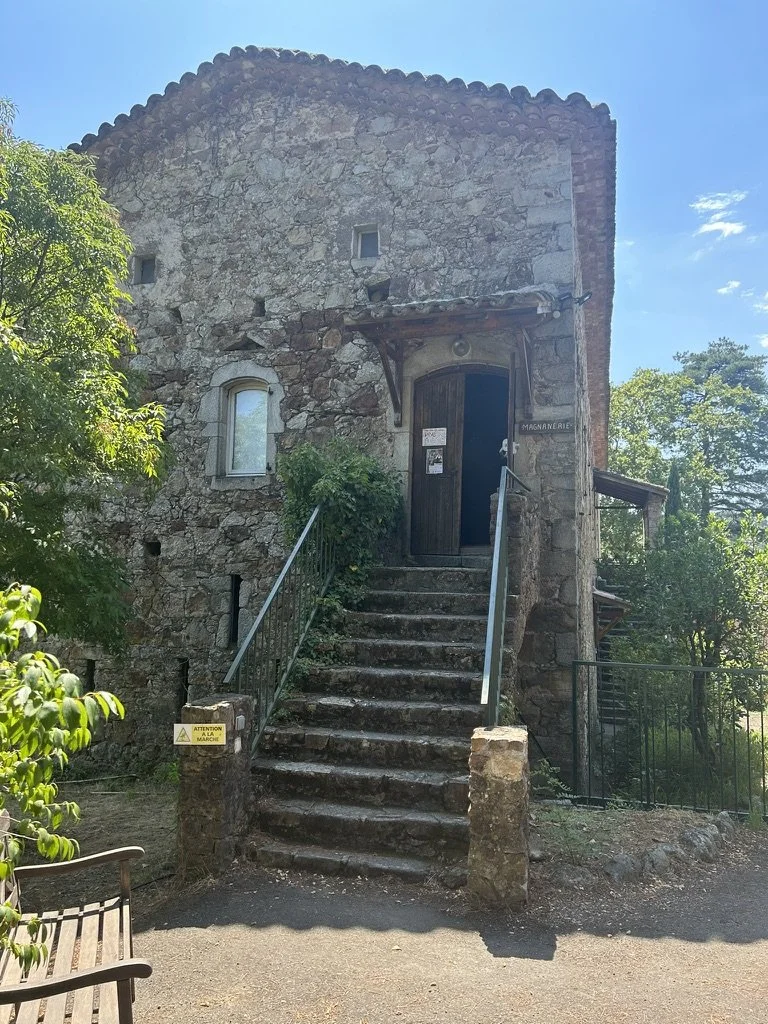
In 1974, 49 members of the Roy Hart Theatre began moving from London to Malérargues in the south of France, where they acquired a largely dilapidated cluster of old stone buildings and began transforming them into a home for the company and its work. Following Roy Hart’s death in 1975, the company continued to develop the work and the Centre, which remains a place where people from around the world meet, teach, perform and research the human voice.
There is something quite extraordinary to me about the amount of work, dedication and vision that has gone into sustaining this place and this practice across generations.
The work
Wolfsohn-Hart voice work is a non-prescriptive, artistic and psychological approach to voice. Rather than working towards one ideal or “beautiful” voice, it explores the breadth of sound, expression and character available within each individual voice.
Voice is approached as inseparable from the whole person. Breath, body, movement, imagination, emotion, listening and musicality all become pathways into sound.
The work can move between speaking and singing, text and song, conventional and unconventional sounds, improvisation and movement. It invites us to become curious about the parts of the voice we know well - and those we may not yet have encountered.
At its heart is an exploration of vocal possibility: developing greater range, freedom and flexibility while building a deeper physical, imaginative and psychological connection to the voice.
Going Deeper
For actors, singers and others wanting to explore a wider range of vocal possibility, I offer work drawing on these principles alongside my wider experience as a performer and voice teacher.
This can include:
- expanding vocal range, colour and expressive possibility
- connecting voice more fully with the body and movement
- exploring the relationship between sound, imagination and emotion
- improvisation and extended vocal exploration
- working with spoken text and song
- developing greater confidence in unfamiliar areas of the voice
- exploring voice in relation to the inner landscape
- finding a more embodied and individual relationship with your own sound
The work invites us to discover more of the voice - and through the voice, more of ourselves. Exploring beyond familiar vocal territory can open pathways into imagination, emotion, instinct and the inner world, revealing less familiar aspects of the psyche through sound and creating the possibility for transformation.
Working with me
This work can be explored through:
one-to-one sessions for people wanting a deeper or more individual exploration of voice
small-group workshops drawing more closely on the Wolfsohn-Hart approach
work with actors and performers
exploration through sound, spoken text and song
vocal improvisation, movement and extended vocal work
work connecting voice with the body, imagination, emotion and inner landscape
The work is responsive to the individual, with sessions shaped around what emerges through voice, body and imagination - from artistic and performance-based exploration to a deeper investigation of vocal range, expression and the relationship between voice and self.